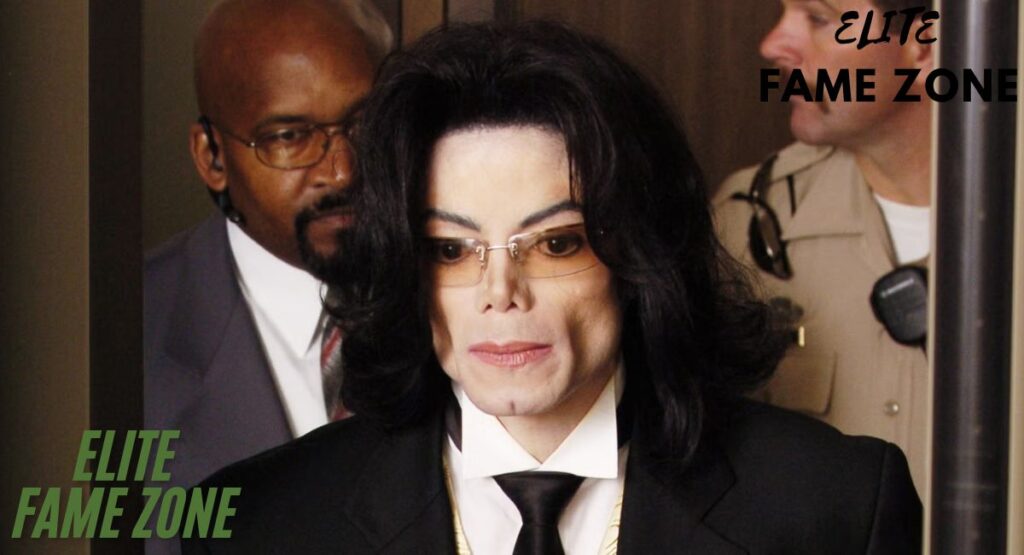
The sudden passing of Michael Jackson on June 25, 2009, triggered an emotional wave that spread across continents within hours. Known as the King of Pop, his influence reached far beyond music, touching millions of lives worldwide. The global reaction, fan tributes, celebrity responses, media coverage, and public mourning reflected the deep connection people had with him. From candlelight vigils in major cities to heartfelt messages flooding early social media platforms, the world collectively grieved an icon. This moment not only highlighted his unmatched legacy but also showed how a single event could unite people in shared emotion and remembrance across cultures and generations worldwide.
What Happened on June 25, 2009?
On June 25, 2009, Michael Jackson suffered cardiac arrest at his rented home in Los Angeles. Emergency services were called, and paramedics attempted to revive him before transporting him to the Ronald Reagan UCLA Medical Center. Despite extensive efforts by medical staff, he was pronounced dead later that afternoon.
An autopsy later revealed that his death was caused by acute propofol intoxication, combined with other sedatives. The powerful anesthetic had been administered by his personal physician, Conrad Murray, who was later convicted of involuntary manslaughter.
At the time of his death, Jackson was preparing for his comeback concert series, This Is It, scheduled to begin in London. The concerts had already sold out, generating massive global anticipation.
A World in Shock
The global reaction to Michael Jackson’s death was immediate and overwhelming. As news broke, fans gathered in major cities across the world, including London, Tokyo, and Paris.
Crowds formed outside hospitals, his former residences, and iconic landmarks. Fans held candles, played his music, and shared memories. Many were visibly emotional—crying, singing, and embracing strangers in shared grief.
Public spaces turned into spontaneous memorials. His songs echoed through streets and squares, showing the emotional connection people felt toward him. The scale of mourning reflected not just his fame, but his deep cultural impact.
Voices from the Entertainment Industry
Tributes from fellow artists and celebrities poured in within hours of the announcement. Many credited Michael Jackson as a major influence on their careers.
- Madonna described him as “one of the greatest talents the world has ever known.”
- Beyoncé paid tribute during her performances, thanking him for inspiring generations.
- Justin Timberlake called him a “genius” and acknowledged his influence on modern pop music.
These tributes were heartfelt and genuine, reflecting how deeply Jackson had shaped the music industry. His innovations in music videos, dance, and stage performance set new standards that artists still follow today.
Media Frenzy and Global Coverage
The media response to Michael Jackson’s death was unprecedented. Major news networks across the globe interrupted regular programming to report the breaking news.
Television channels provided continuous live coverage, with reporters stationed outside hospitals, Jackson’s home, and recording studios. Newspapers rushed to publish special editions.
Online platforms also struggled to keep up. Google experienced such a surge in searches that it initially interpreted the traffic as a cyberattack. Several major websites temporarily slowed down or crashed due to the overwhelming demand.
This moment marked one of the first times a celebrity death significantly impacted global digital infrastructure.
The Role of Social Media
In 2009, social media was still developing, yet it played a major role in spreading the news. Platforms like Twitter and Facebook were flooded with posts, reactions, and tributes.
Twitter recorded one of its highest traffic spikes at the time, with thousands of tweets per minute mentioning Jackson. His name quickly became a worldwide trending topic.
Fans used social media to share personal stories, favorite songs, and emotional messages. These platforms became virtual memorial spaces where people from different countries connected through shared grief.
A Global Farewell: Memorial Service
One of the most significant events following his death was the public memorial service held on July 7, 2009, at the Staples Center (now known as Crypto.com Arena).
The event was broadcast worldwide and watched by hundreds of millions of viewers. It featured performances, speeches, and tributes from family members, friends, and fellow artists.
Emotional highlights included speeches from his family and musical performances honoring his legacy. The memorial was not only a farewell but also a celebration of his life and achievements.
Key Facts at a Glance
| Event | Details |
|---|---|
| Full Name | Michael Joseph Jackson |
| Date of Death | June 25, 2009 |
| Age | 50 years |
| Location | Los Angeles, California, USA |
| Cause of Death | Acute propofol intoxication |
| Physician Involved | Conrad Murray |
| Memorial Date | July 7, 2009 |
| Memorial Location | Staples Center, Los Angeles |
| Tour Planned | This Is It (cancelled) |
| Global Reaction | Massive worldwide mourning |
Fans and Industry Grief
The emotional impact of Michael Jackson’s death extended far beyond his fan base. For many, his music had been a part of their childhood and identity.
Fans described feeling as though they had lost someone personal. Across the world, people gathered to honor him through dance tributes, candlelight vigils, and music events.
Within the music industry, his passing marked the end of an era. Jackson had revolutionized pop music, music videos, and live performances. His influence could be seen in countless artists across different genres.
Following his death, album sales surged dramatically. Iconic albums like Thriller and Bad returned to global charts, proving that his music remained timeless.
Why Michael Jackson’s Death Still Matters
Even years after June 25, 2009, the global reaction to Michael Jackson’s death continues to be discussed. Documentaries, anniversary specials, and retrospectives revisit that moment regularly.
His death marked a turning point in how the world responds to celebrity losses. It demonstrated the power of global media, digital connectivity, and collective emotional experiences.
New generations continue to discover his music, while longtime fans keep his legacy alive. His influence on pop culture, fashion, dance, and music remains unmatched.
Conclusion
The death of Michael Jackson was more than the loss of a global superstar—it was a shared emotional moment that united millions of people around the world. From heartfelt fan tributes to overwhelming media coverage and record-breaking online reactions, the response reflected his extraordinary impact.
Although he passed away in 2009, his legacy continues to live on through his music and influence. His ability to connect people across cultures and generations remains rare.
That is why the world’s reaction still matters today—it reminds us of the lasting power of art, music, and a truly global icon.
Other Post
Kaley Fedko Biography, Age, Career, Net Worth & Latest Updates
Jessica Ralston Bio: Age, Career, Husband, Net Worth & Latest Updates
FAQs
How did people react to MJ’s death?
Fans worldwide were shocked and heartbroken; many held vigils, gathered in streets, and shared tributes online for Michael Jackson.
What did Michael say before he died?
Reports suggest his last words included a request for sleep medication, saying he needed “milk” (a nickname for propofol), though exact wording isn’t fully confirmed.
What happened during Michael Jackson’s death?
He suffered cardiac arrest at his home in Los Angeles and was later pronounced dead at the hospital.
Who found Michael Jackson after he died?
His personal physician, Conrad Murray, found him unresponsive and called for medical help.
Was MJ healthy when he died?
He was physically preparing for a comeback tour but had underlying health issues and was heavily dependent on prescribed medications.